Reading/Literature
We cover all aspects of learning to love reading, including phonics instruction, vocabulary, literature, reading lists of great books, and more. You'll also find teaching tips and helpful resources to assist you.
Reading Skills
Explore our introduction to reading education, including when to begin teaching reading, different methods, and tips and ideas to help make your child love reading.
Vocabulary
We've gathered great resources for vocabulary building, including curricula, different approaches to teaching vocabulary, and great sources for materials.
Phonics
Phonics is the foundation for strong reading skills that last a lifetime. There are several different approaches to teaching phonics—we've gathered the best here for you to examine. Learn ways to make phonics learning fun, including games and ideas that incorporate learning.
Reading Lists
"My child reads every book she gets her hands on! We are running out of good books for her." If this sounds like you, you've come to the right place. From birth to high school, we've brought together the best literature suggestions and reading lists that respect your child's need for more opportunities to read balanced with your desire to provide quality, wholesome, and meaningful literature for your child.
Study Guides
Reading for comprehension is an important reading skill. You can help guide your child towards a greater understanding of what he or she has read by using a study guide. We've found some quality resources that are essential for the homeschooling family.
Literature
Looking for good literature and ways to get the most out of it? Here you'll find literature lists for all grades, strategies for teaching literature appreciation and comprehension, and more.
Poetry
The study of poetry can open a mind to new ways of thinking and exploration of the beauty of language. Writing poetry is a doorway to creative expression and deep understanding of meaning and language. Here you'll find great resources to study, write, and understand poetry in your homeschooling experience.
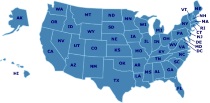
Looking for Another State?
Featured Resources
As an Amazon Associate, we earn from qualifying purchases. We get commissions for purchases made through links on this site.

Handbook of Nature Study
A matchless handbook for decades, this classic work has been the natural history bible for countless teachers and others who seek information about their environment. Written originally for those elementary school teachers who knew little of common plants and animals, and even less about the earth beneath their feet and the skies overhead, this book is for the most part as valid and helpful today as it was when first written in 1911―and revised in the spirit of its authors by a group of naturali...

Secret of Childhood
Maria Montessori describes the child with warmth and the exactness of a scientist. She also discusses the array of materials and techniques needed to release his learning potential.

More Charlotte Mason Education: A Home Schooling How-To Manual
After providing an important work in explaining the Charlotte Mason method for homeschoolers, Catherine Levison goes deeper into the use of this method in the home with her subsequent work. This book expands the information from the first book and offers ideas to incorporate the rich and uplifting philosophy into your home education. There are specific tips for high school, schooling through challenges, and more.
A Child's Story of America
This text reads like a story book more than a history textbook. This book has a decidedly Christian bent. Students are given a comprehensive overview of U.S. history from Columbus to the present. Review questions are included throughout, as well as helpful maps. The text contains numerous pictures and large print. An optional test packet and answer key is available.

Montessori: A Modern Approach
Montessori: A Modern Approach has been called the single best book for anyone -- educator, childcare professional, and especially parent -- seeking answers to the questions: What is the Montessori method? Are its revolutionary ideas about early childhood education relevant to today's world? And most important, especially for today's dual-career couples. Is a Montessori education right for my child?Paula Polk Lillard writes both as a trained educators and as a concerned parent -- she has many yea...